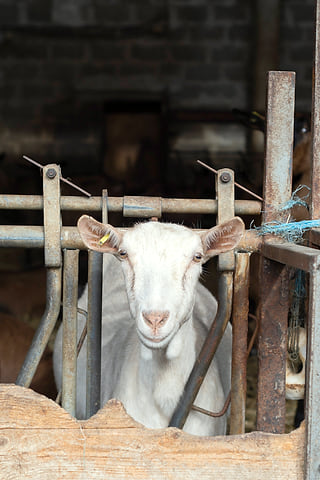
The only white one in the herd
In the middle of my Alpines, one small white goat goes about her business alone. At the start, the Gerfands had half Saanen and half Alpine: the white came back out, one day, in her.
Farm shop open Wednesday to Saturday, 9am to 12 noon and 4pm to 7pm, from late February to late November
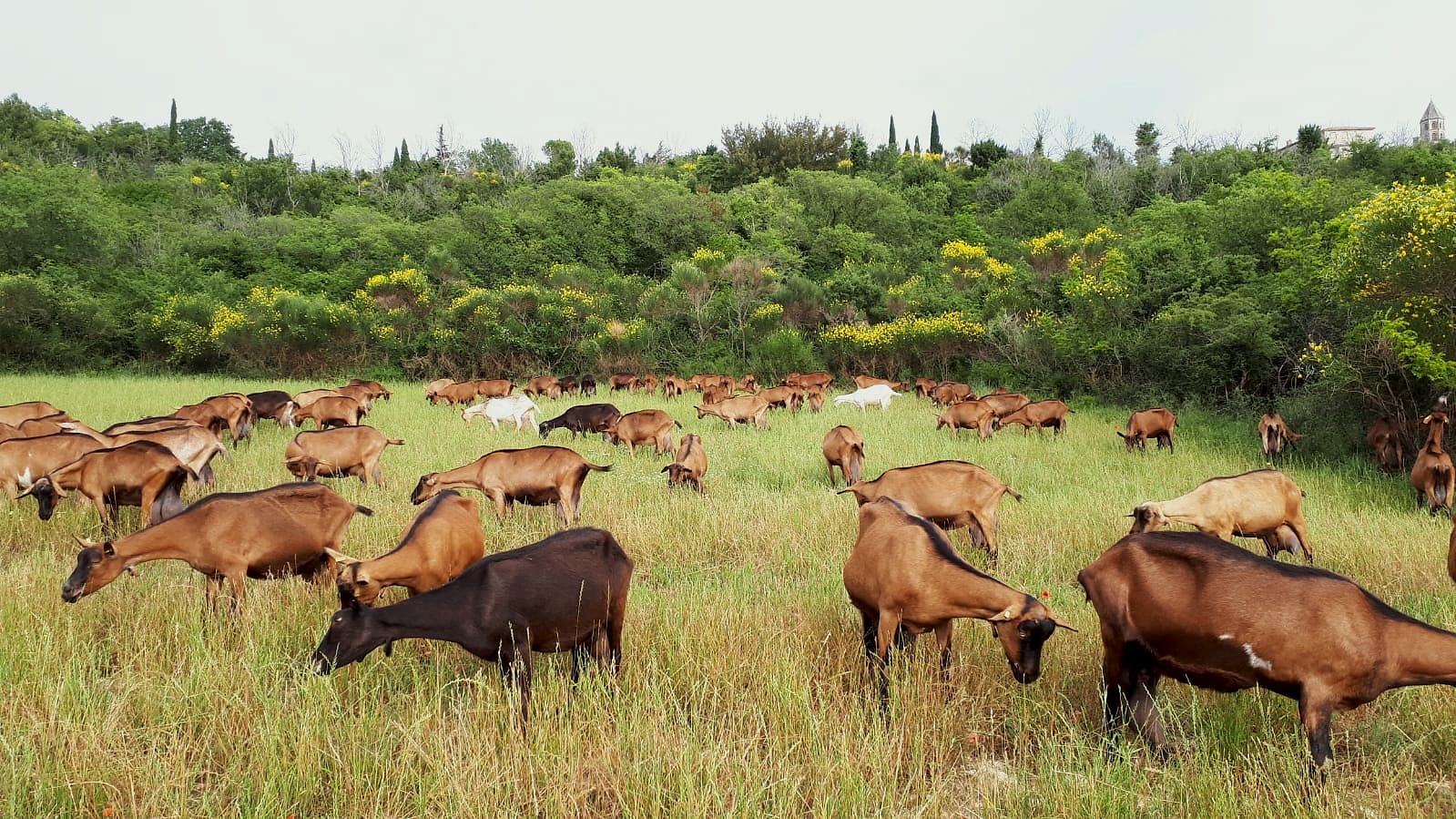
A herd of 80 Alpine goats, built over forty years by Dominique and Babeth Gerfand, which I took on in January 2024.
I have loved animals for as long as I can remember. Whatever else happened, I knew I would work with them.
After my science baccalauréat I took a BTS in animal production at Saint-Paul-Trois-Châteaux, a two-year vocational diploma, chosen quite simply because the word animal was in the title. It was a work placement, on a farm with goats and ewes, that showed me my heart lay with the goats.
I then came to work for Dominique and Babeth Gerfand, here on this farm. They had been looking for someone to take over for several years, retirement was coming, and I come from no farming family at all. But the chance was there, and it was not one to miss.
In January 2024, at 23, I took on the herd, the equipment and the dairy. Dominique and Babeth still live here and still give me a hand: had they gone, I would never have started. Today two members of staff and a trainee or two work alongside me.
Go on. It is now or never.
What I told myself before taking on the farm
My family name is Larchevêque, the French for archbishop. So my goats became the archbishop’s little goats, les biquettes de l’Archevêque.
As for the bell tower in the logo, it belongs to La Garde-Adhémar. You can see it from the meadows where they graze, and it turns up in nearly every photograph we take.
The farm changed its name and kept its lane. My goats are the result of forty years of care and of breeding patiently built up by Dominique and Babeth.
Dominique and Babeth start out with a herd half Saanen, half Alpine, and found the Gerfand dairy.
I join the farm as an employee and gradually find my place, with the goats and in the dairy alike.
I take on the herd and all the equipment. Les Biquettes de l’Archevêque carries on from Fromagerie Gerfand.
ici Drôme Ardèche devotes an episode of its local food series to the goats and their cheeses.
With wolves about, Alaska, a young Pyrenean Mountain Dog, joins the herd, and we put protective fencing around the paddocks.
A four-year-old Kangal arrives to lend Alaska a paw.
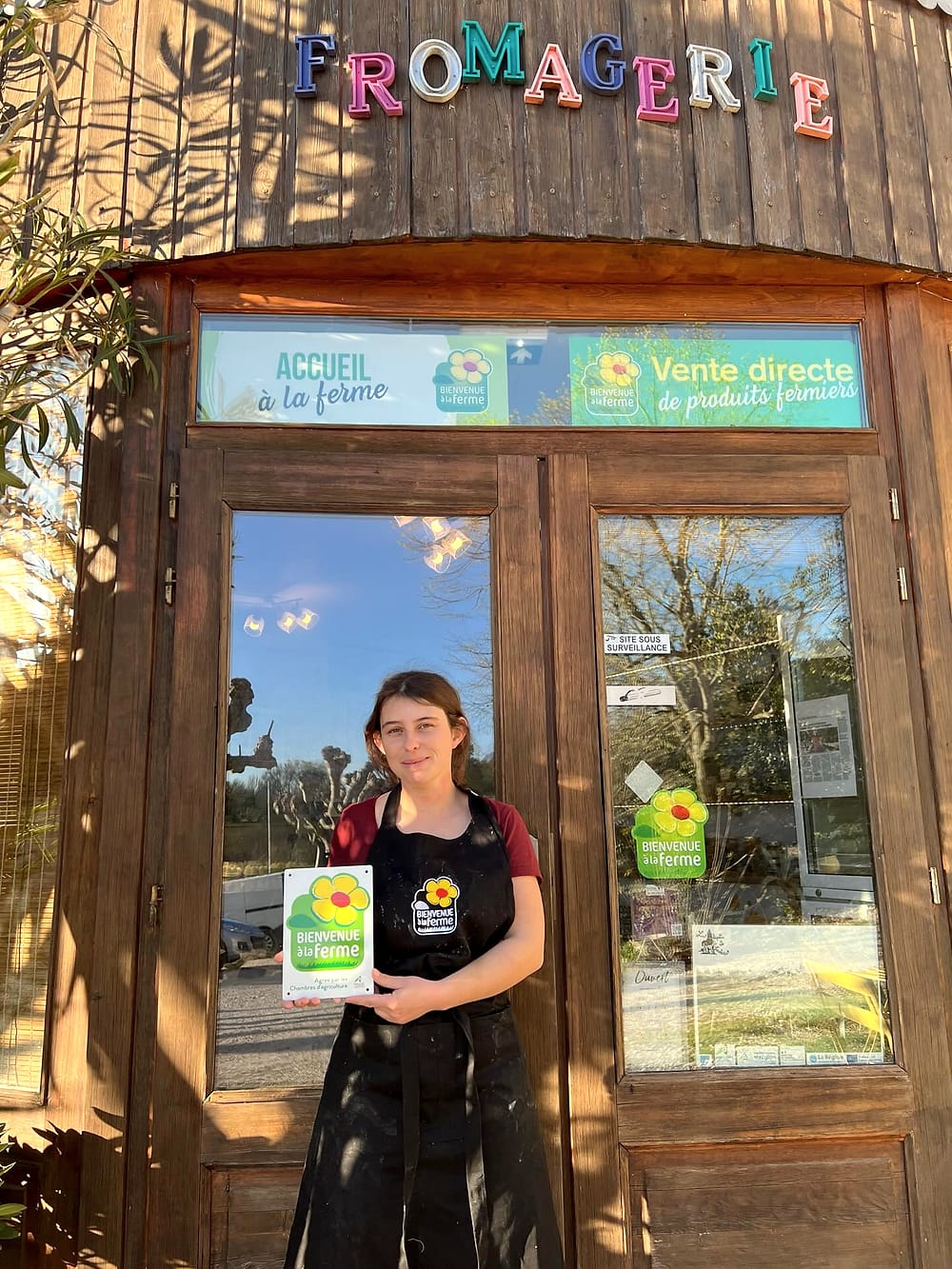
I reopen the shop, repainted and made new, with a loyalty account, and we are awarded the Bienvenue à la ferme mark thanks to the application put together by Antoine, our trainee.
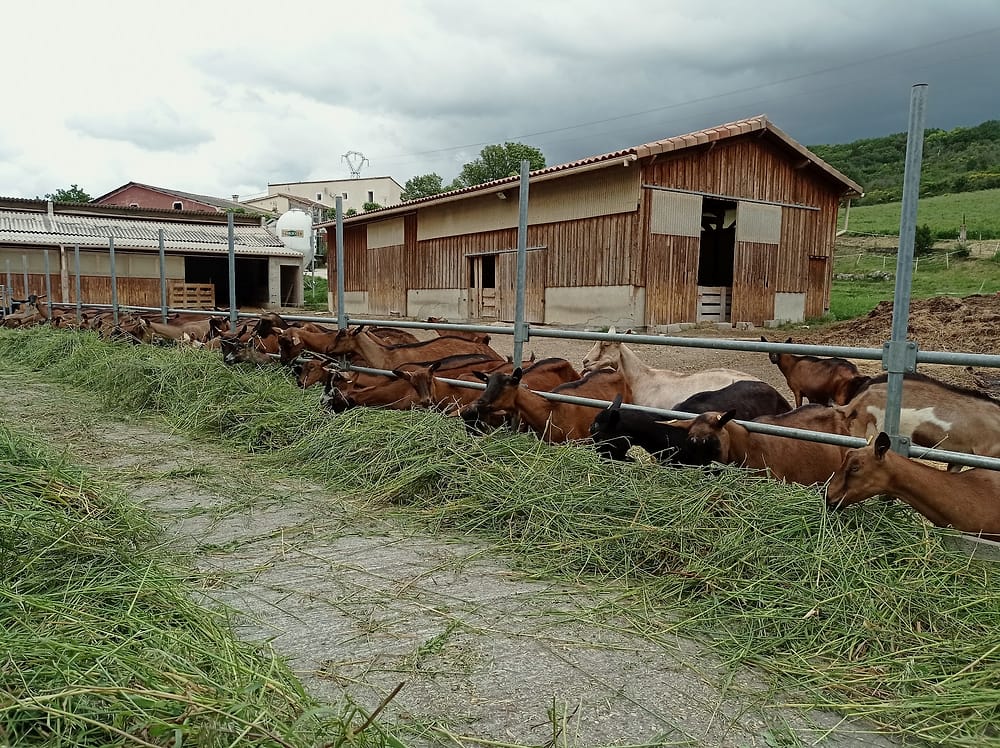
In June 2024, ici Drôme Ardèche came to record at the farm.
Already a regular in the old owners’ day, and the new generation is doing it proud.
Google review, visited June 2026, translated from the French
Circuits courts en Drôme Ardèche, ici Drôme Ardèche, 10 June 2024, 5 min, in French. Read the article
Chamoisée Alpines, brown coat and a black stripe down the back, and I keep them with their characters intact: affectionate, curious, stubborn. They go out to graze in the afternoon, and whatever they browse comes back in the taste of the milk.
Some make themselves heard more than others. Athena, for one, ended up drinking the bottle I had made up for her own kid, while Alaska stood in as the nanny.
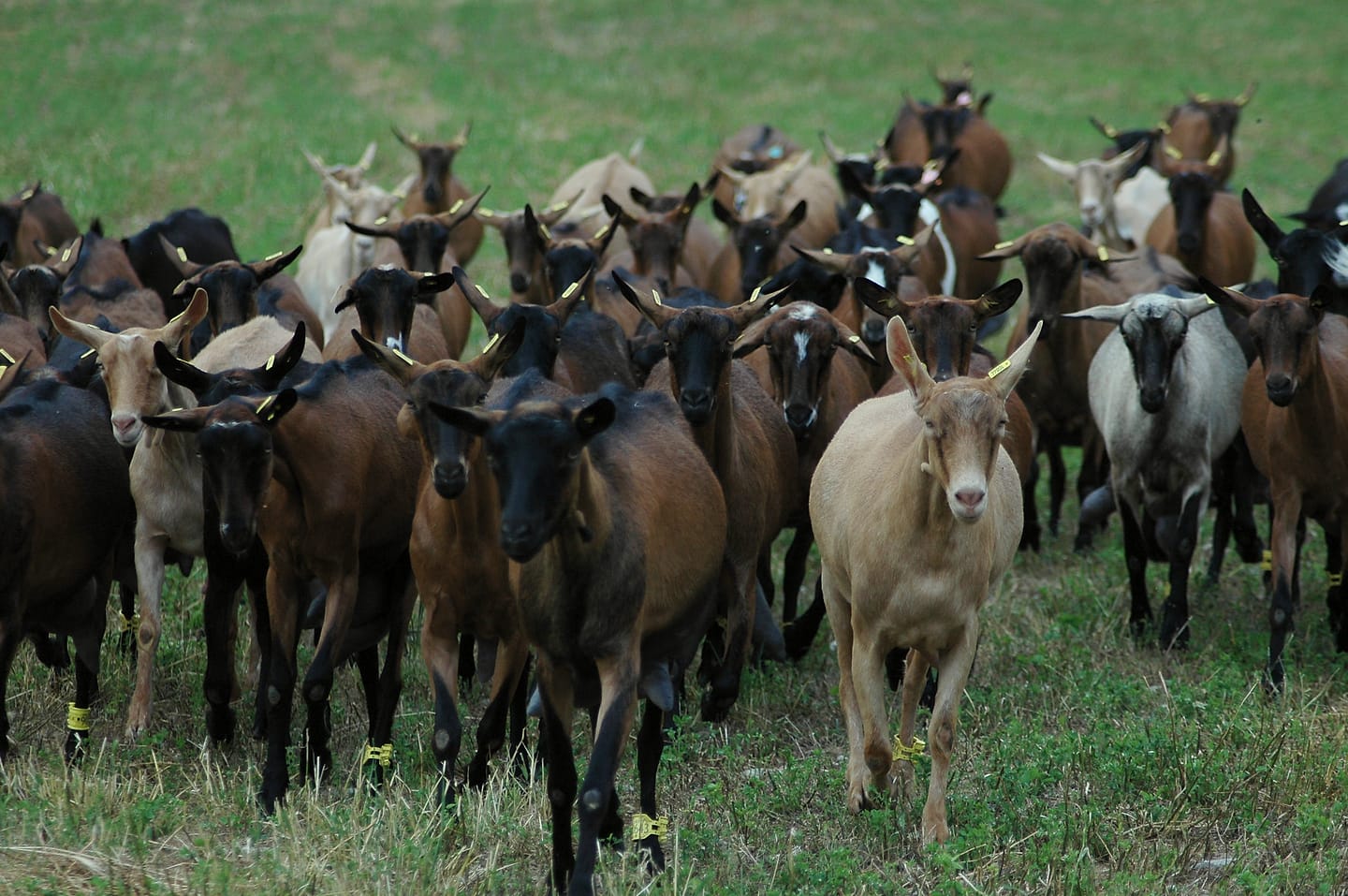
In the middle of my Alpines, one small white goat goes about her business alone. At the start, the Gerfands had half Saanen and half Alpine: the white came back out, one day, in her.
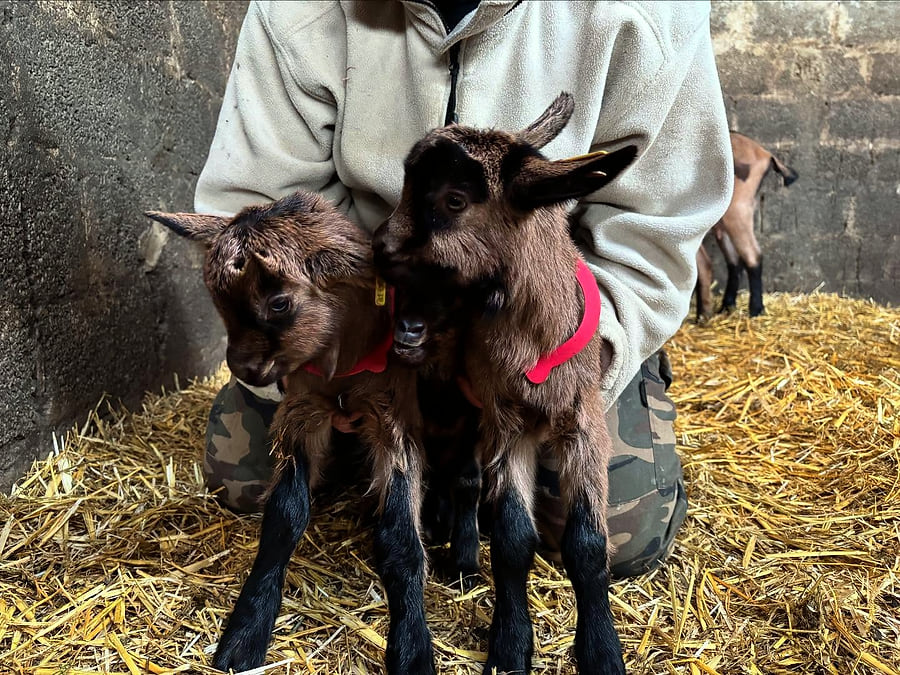
Every goat is followed one by one, all year round.
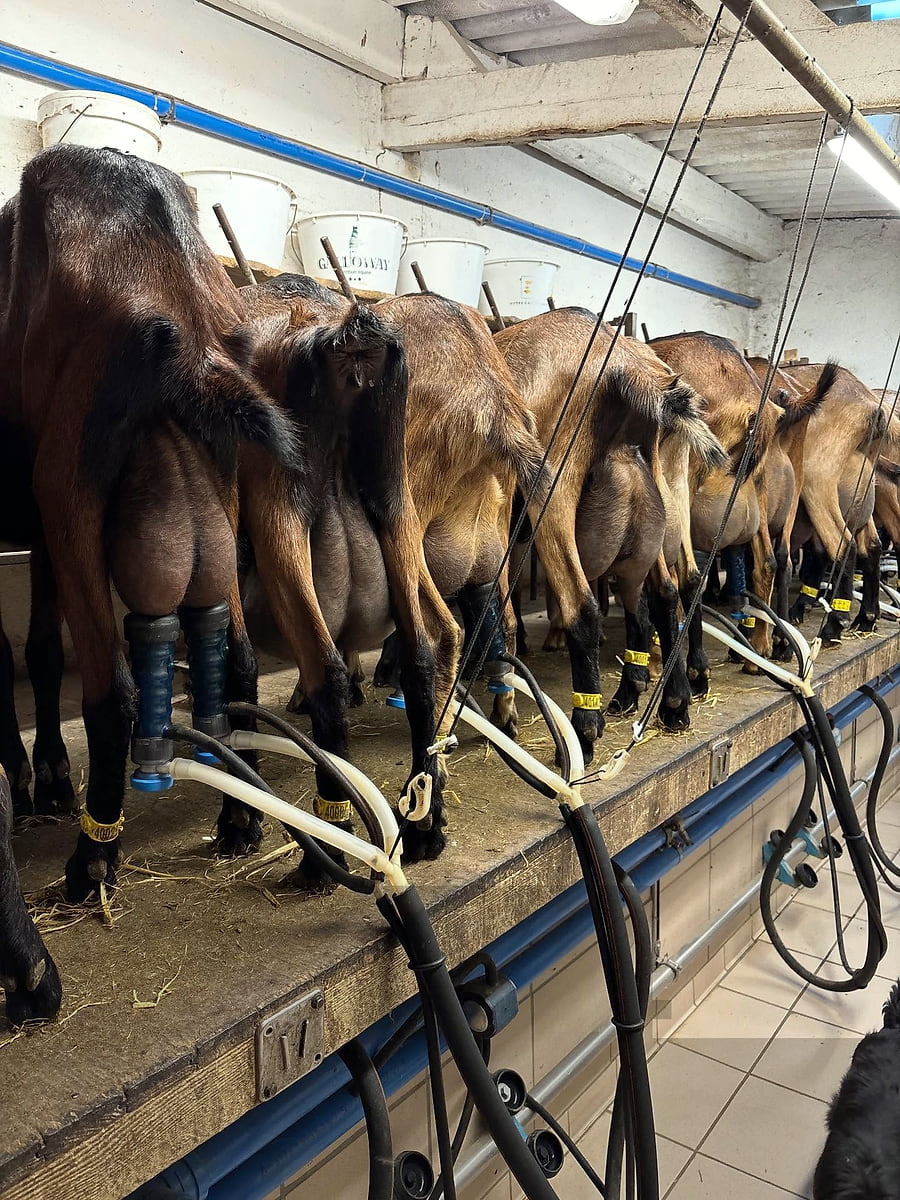
712 kg of milk in 261 days
Every goat in the herd is followed one by one, all year round. That is how I know where the taste of a cheese comes from, and how I treat an animal before she falls ill.
Wolves have been in the parish for several years now, and a pack of at least six moves through the area. To keep taking my goats out to graze, rather than shutting them in with hay, I got myself equipped.
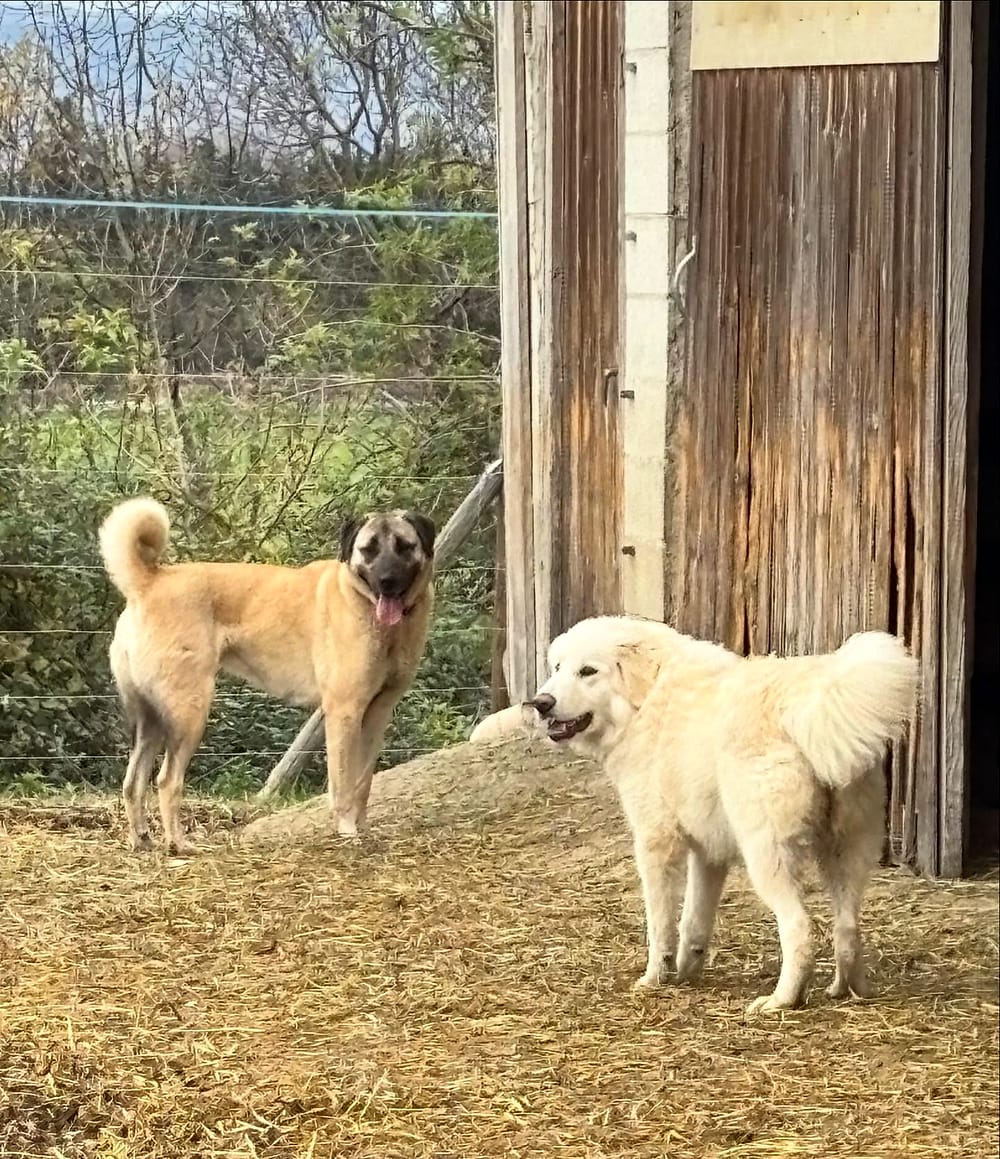
Alaska, a Pyrenean Mountain Dog who arrived at two months old in 2025, grew up with the goats. Sarah, a four-year-old Kangal, came to lend her a paw at the end of 2025. A guardian dog lives with the herd: she watches, she keeps an eye out, and her presence is enough to deter.
If one of them barks while you are here, there is nothing to worry about: she is simply doing her job.
The shop opens at 9am, but our day starts a good while before that. Here it is, from the animals waking to the shop closing.
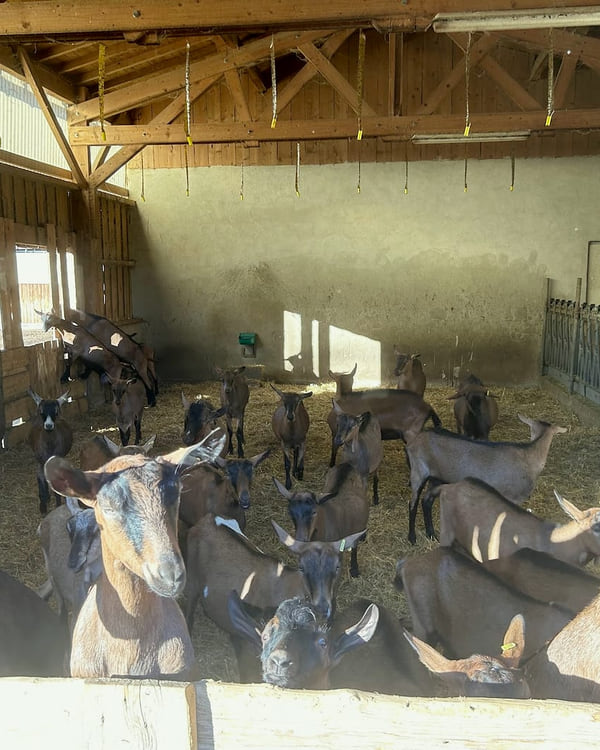
I see to the milking goats, the replacement goatlings and the billies.
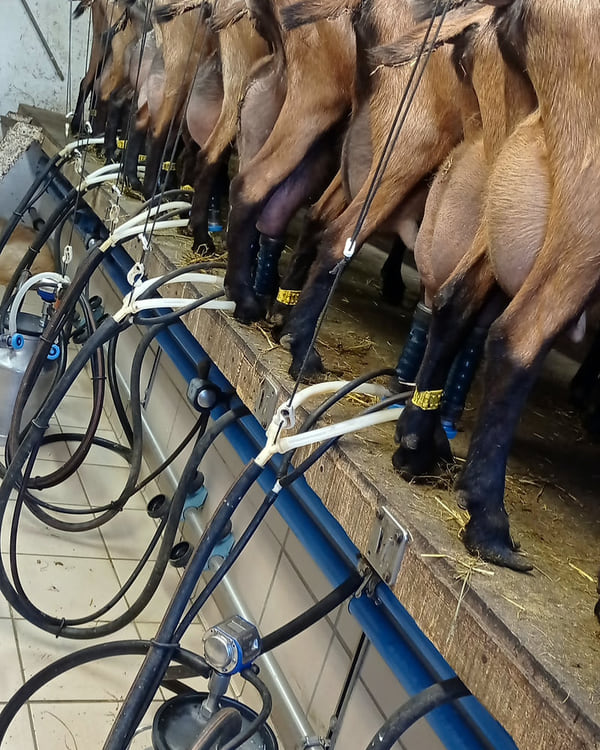
In the milking parlour. The young goatlings learn the platform over the winter.
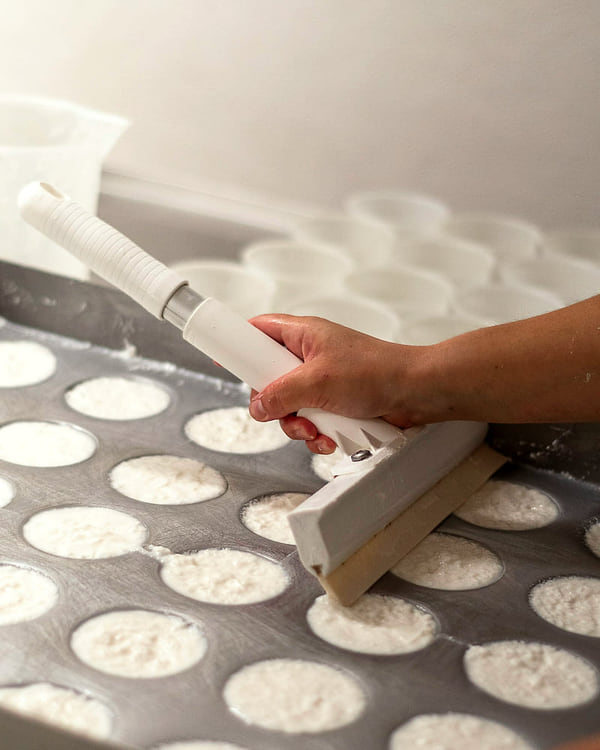
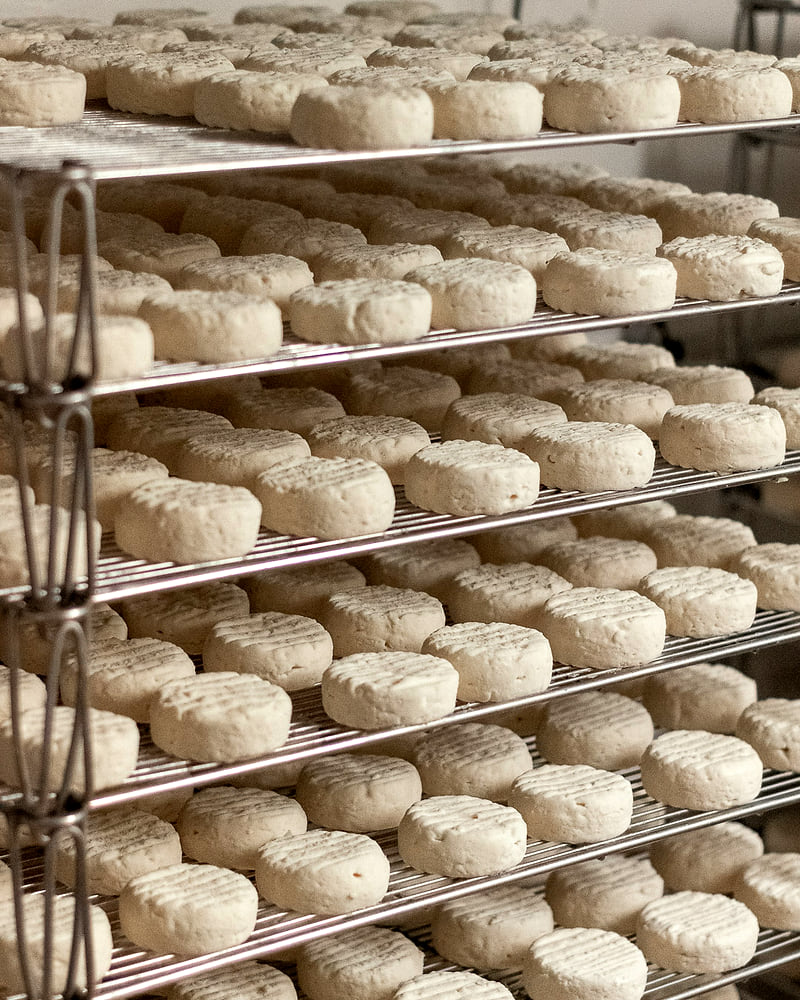
We turn out yesterday’s cheeses, mould today’s, and turn everything that is ripening in the drying room.
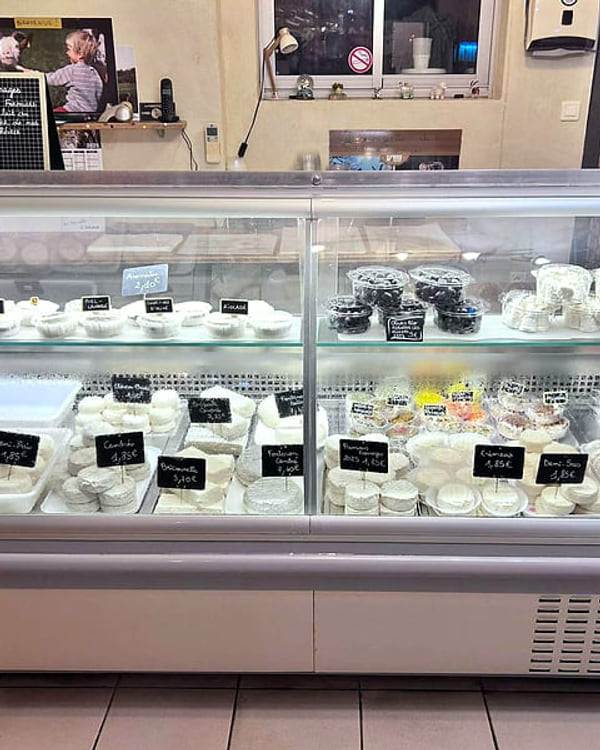
Wednesday to Saturday, we give you a taste and help you choose.
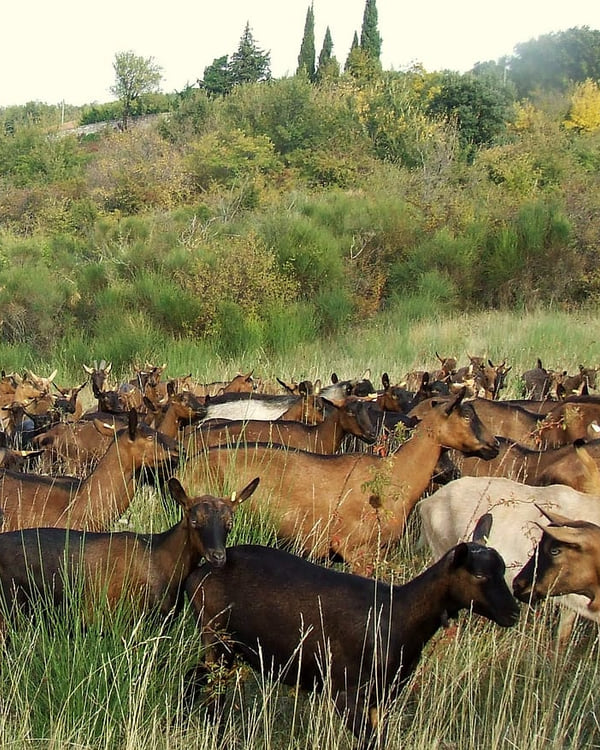
The goats go out, shepherded now that wolves are about. Grazing eats up the hours, but it gives fine milk and tastes that shift with the pasture. The shop opens again from 4pm to 7pm.
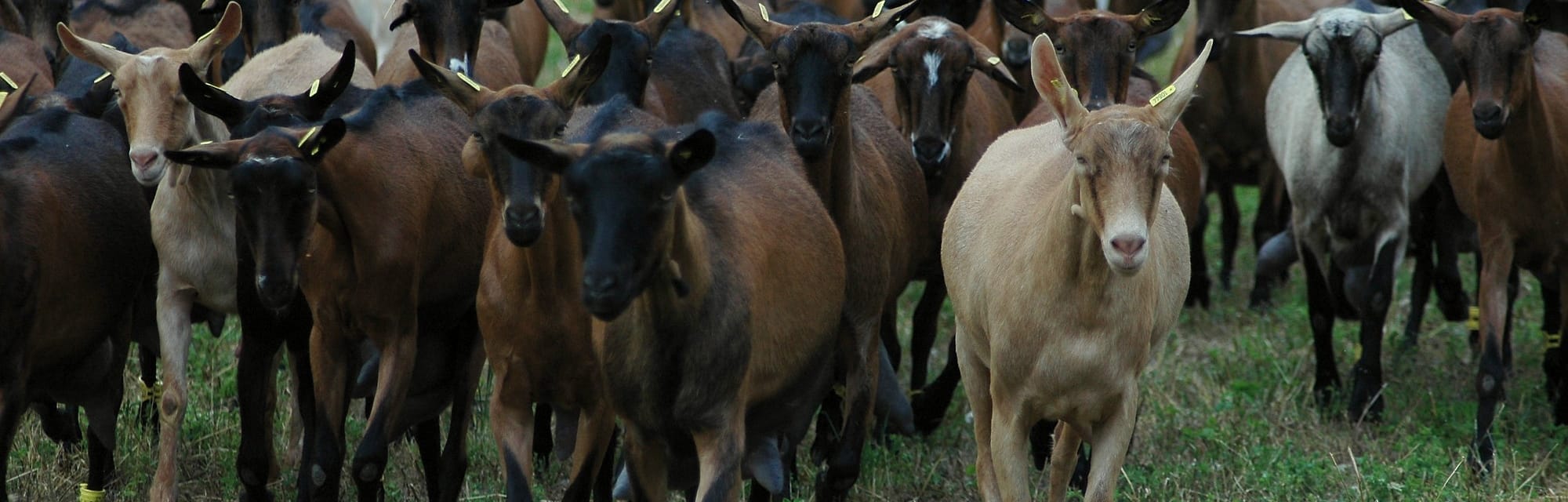
Looking after these little goats every day, the way they deserve.
The milk from the morning milking becomes briquettes, fonterons, creamy cheeses, ash-coated ones and grey tommes.
The fresh ones reach the counter the same day. The rest go up to the drying room, where they take on their rind and their taste: a few days for the semi-matured, three months for the Adhémarois.
See the whole range